
Where to Find Trusted OrthoScan Repair in Philadelphia? A Complete Service Guide
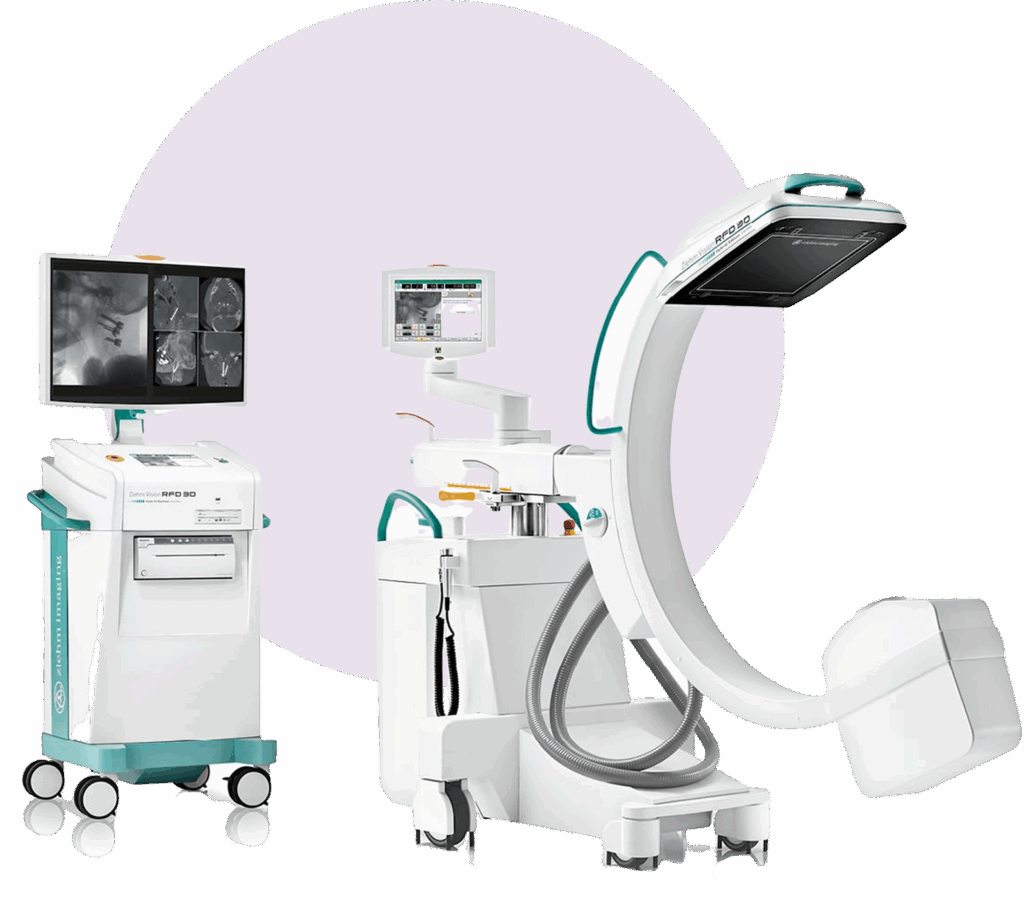
When a mini C-arm goes down in the middle of a busy orthopedic or hand surgery schedule, the impact is immediate — delayed procedures, frustrated surgical teams, and a direct hit to patient care quality. OrthoScan mini C-arm systems are among the most relied-upon imaging tools in orthopedic surgery centers, podiatry clinics, and ambulatory facilities across the Philadelphia region. Keeping these systems in peak working condition requires more than reactive repairs — it demands a proactive approach that combines expert OrthoScan repair Philadelphia services with a structured preventive maintenance program. This guide covers everything Philadelphia-area facilities need to know about maintaining, servicing, and protecting their OrthoScan investment.
Why OrthoScan Systems Require Specialist Repair Expertise
OrthoScan mini C-arms are precision imaging systems specifically engineered for extremity imaging — fingers, hands, wrists, feet, ankles, and knees. Their compact, lightweight design and high-resolution flat-panel detector technology make them indispensable in fast-paced orthopedic and podiatric surgical environments. But this same specialized engineering means that not every biomedical technician is qualified to service them correctly.
Expert OrthoScan repair Philadelphia requires technicians with platform-specific training on OrthoScan’s unique flat-panel detector system, generator architecture, and proprietary imaging software. Attempting repairs with unqualified personnel or non-OEM replacement parts risks further damage, miscalibration, and non-compliance with FDA medical device servicing standards.
A qualified OrthoScan repair Philadelphia provider brings the diagnostic tools, technical knowledge, and genuine OEM parts access needed to restore your system to full factory-specification performance — quickly, reliably, and in full compliance with applicable regulatory standards.
Common OrthoScan Issues That Require Professional Repair
Understanding the most frequent failure points in OrthoScan mini C-arm systems helps facility managers recognize warning signs early and engage OrthoScan repair Philadelphia services before minor issues escalate into major failures:
- Image quality degradation – Blurry, noisy, or non-uniform images are typically caused by flat-panel detector deterioration, generator drift, or software calibration issues
- X-ray tube failures – Tube end-of-life is the most common hardware failure in any fluoroscopy system; symptoms include inconsistent output, arcing sounds, and complete loss of X-ray generation
- Display and interface errors – Touchscreen malfunctions, software freezes, and monitor failures disrupt clinical workflow and require immediate attention
- Mechanical arm issues – Stiff, jerky, or imprecise C-arm movement can indicate worn bearings, damaged locking mechanisms, or structural misalignment
- Generator calibration drift – Incorrect kVp and mAs output leads to overexposed or underexposed images and potential radiation compliance issues
- Battery and power system failures – For mobile OrthoScan units, battery degradation reduces operational runtime and can cause unexpected shutdowns during procedures
Any of these symptoms warrants an immediate call to a qualified OrthoScan repair Philadelphia specialist. Delaying repairs on imaging equipment that directly supports surgical decision-making is never a risk worth taking.
OrthoScan Mini C-Arm Preventive Maintenance Philadelphia: The Proactive Approach
Reactive repairs are always more expensive, more disruptive, and more stressful than preventive maintenance. A structured OrthoScan mini C-arm preventive maintenance Philadelphia program is the most cost-effective strategy for maximizing equipment uptime, extending system lifespan, and maintaining continuous regulatory compliance.
A comprehensive OrthoScan mini C-arm preventive maintenance Philadelphia visit should include the following:
- Flat-panel detector performance testing – Evaluating pixel uniformity, defect mapping, and image quality benchmarks against OrthoScan factory specifications
- X-ray generator calibration – Verifying kVp and mAs accuracy across the full clinical exposure range to ensure consistent, diagnostically reliable imaging
- X-ray tube output measurement – Assessing tube performance and estimating remaining operational life to plan proactive replacements before failure occurs
- Mechanical system inspection – Checking C-arm travel smoothness, brake function, locking precision, and structural integrity of the arm assembly
- Radiation output verification – Confirming that scatter and primary radiation output levels comply with Pennsylvania Department of Health regulations and NCRP guidelines
- Software and firmware validation – Ensuring the system is running the latest OrthoScan-approved software version for optimal performance and cybersecurity compliance
- Electrical safety testing – Verifying ground continuity, leakage current levels, and full compliance with IEC 60601 medical electrical equipment safety standards
- Complete service documentation – Delivering a detailed PM report for Joint Commission, CMS, and Pennsylvania facility licensing audit requirements
Regular OrthoScan mini C-arm preventive maintenance Philadelphia visits catch developing issues early — before they cause procedure cancellations, equipment damage, or compliance violations that put your facility’s accreditation at risk.
How Often Should OrthoScan Systems Be Serviced?
The right PM frequency depends on your facility’s procedure volume, accreditation requirements, and system age:
- High-volume orthopedic surgical centers – Bi-annual OrthoScan mini C-arm preventive maintenance Philadelphia visits with quarterly performance monitoring
- Mid-volume facilities – Annual PM combined with semi-annual image quality and radiation output spot-checks
- Low-volume podiatry and hand surgery clinics – Annual OrthoScan mini C-arm preventive maintenance Philadelphia with visual inspection and software verification at six months
- After any incident – Any collision, drop event, unusual noise, error message, or image quality change requires immediate unscheduled OrthoScan repair Philadelphia inspection regardless of recent PM history
- Before Joint Commission surveys – Schedule a full PM and documentation review 4–6 weeks before any anticipated accreditation survey to ensure complete compliance readiness
Philadelphia facilities operating under Joint Commission accreditation, CMS certification, or Pennsylvania Department of Health outpatient facility licensing are required to maintain complete, traceable maintenance records for all radiation-producing equipment. A structured OrthoScan mini C-arm preventive maintenance Philadelphia program ensures your documentation is always current, accurate, and audit-ready.
Choosing the Right OrthoScan Service Partner in Philadelphia
The quality of your service provider determines the quality of your equipment’s performance between PM visits. When evaluating an OrthoScan repair Philadelphia partner, these qualifications are non-negotiable:
- Platform-specific technical training on OrthoScan mini C-arm systems — not just general biomedical engineering credentials
- Access to genuine OrthoScan OEM replacement parts — aftermarket components introduce compatibility risks, compromise image quality, and can void manufacturer warranties
- Rapid emergency response capability — surgical imaging failures do not follow business hours; your OrthoScan repair Philadelphia provider must offer urgent on-site response for critical system breakdowns
- Transparent, detailed service reporting — every visit should produce a facility-ready service report with findings, actions taken, parts replaced, and next recommended service date
- Flexible service contract options — from basic annual PM agreements to comprehensive full-coverage contracts that include parts, labor, emergency response, and loaner equipment provisions for extended repairs
Surgi Call provides specialized OrthoScan repair Philadelphia services and structured OrthoScan mini C-arm preventive maintenance Philadelphia programs tailored to the specific clinical and regulatory needs of Philadelphia-area surgical facilities — with factory-trained technicians, genuine OEM parts access, and rapid emergency response that minimizes downtime and keeps your imaging systems performing at their certified best.
Final Thoughts
OrthoScan mini C-arm systems are precision surgical imaging tools that orthopedic and podiatric teams depend on for accurate, real-time extremity imaging in every procedure. Protecting that dependability requires a two-part commitment — responsive, expert OrthoScan repair Philadelphia services when issues arise, and a consistent OrthoScan mini C-arm preventive maintenance Philadelphia program that catches problems before they impact your clinical operations.
Surgi Call is your trusted Philadelphia-area partner for both — delivering the technical expertise, OEM parts access, rapid response capability, and comprehensive service documentation that keeps every OrthoScan system in your facility performing reliably, safely, and in full regulatory compliance every single day.