
OrthoScan Repair Baltimore: The Essential Guide for Surgical and Orthopedic Facilities
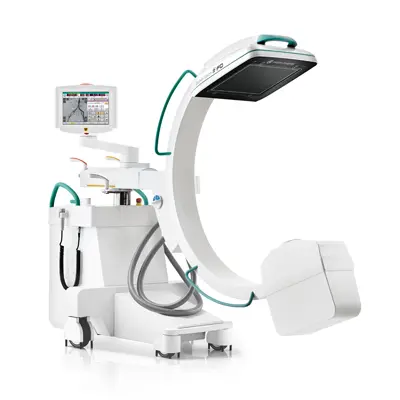
Extremity imaging is at the heart of orthopedic, podiatric, and sports medicine surgery — and when your mini C-arm goes offline unexpectedly, your entire surgical schedule feels the impact. Reliable OrthoScan repair Baltimore isn’t just a convenience; it’s an operational necessity for any facility that depends on consistent, high-quality fluoroscopic imaging. This guide covers everything Baltimore-area surgical centers need to know about OrthoScan repair services, common failure points, and how proactive maintenance keeps your system running case after case.
Why OrthoScan Systems Need Specialized Repair
OrthoScan mini C-arms are precision instruments engineered specifically for extremity imaging — wrists, hands, feet, ankles, and elbow procedures all rely on their high-resolution flat-panel detectors and compact, maneuverable design. That specialization is what makes them irreplaceable in orthopedic ORs, and exactly what makes improper servicing so dangerous.
General biomedical technicians without OrthoScan-specific training frequently misdiagnose imaging artifacts, generator faults, and detector calibration errors — leading to incomplete repairs, recurring failures, and potential patient safety risks. Certified OrthoScan repair Baltimore technicians bring OEM-level diagnostic expertise, genuine replacement parts, and hands-on familiarity with OrthoScan’s unique architecture.
Common issues requiring professional OrthoScan repair include:
- Flat-panel detector failure or progressive image quality degradation
- X-ray generator output inconsistencies and kVp calibration drift
- Monitor display failures or unresponsive touch interface
- Cable harness damage from repeated arm repositioning
- Software crashes, boot errors, or frozen system interfaces
- Mechanical wear on the C-arm column, brakes, and positioning locks
- Cooling system faults causing thermal protection shutdowns
- Collimator misalignment affecting radiation field accuracy
Each of these issues demands certified expertise and access to genuine OrthoScan components — neither of which every Baltimore biomedical service company can provide.
The True Cost of Unplanned OrthoScan Downtime
Administrators sometimes underestimate the real financial and operational impact of an unexpected OrthoScan failure. The repair bill is only part of the story.
When your OrthoScan goes down without warning, your facility faces:
- Cancelled or postponed orthopedic and podiatric surgical cases
- Emergency rental equipment costs adding unplanned budget pressure
- Lost surgical revenue accumulating by the hour during downtime
- Staff productivity disruption while the unit is out of service
- Patient satisfaction damage from rescheduling and delays
- Potential compliance exposure if the failure triggers an equipment audit
Fast, certified OrthoScan repair Baltimore response minimizes every one of these impacts. A local service partner with defined emergency SLAs and genuine parts inventory can often restore your system the same day or next business day — dramatically reducing the operational fallout from an unplanned failure.
OrthoScan Mini C-Arm Preventive Maintenance in Baltimore
The most effective way to avoid emergency repair situations is investing in a consistent preventive maintenance program. Scheduled OrthoScan mini c-arm preventive maintenance Baltimore keeps your system calibrated, compliant, and performing at peak specification — and catches developing issues before they become costly failures.
A comprehensive OrthoScan mini c-arm preventive maintenance Baltimore visit typically covers:
- Radiation output measurement and dose calibration verification
- Flat-panel detector uniformity testing and resolution benchmarking
- Generator performance assessment including kVp, mA, and timer accuracy
- Collimator alignment and light field verification
- Full mechanical inspection of the C-arm arm, column, and brake assembly
- Cable and connector integrity assessment
- Software version review and available firmware updates
- Electrical safety testing including ground continuity checks
- Cooling system inspection and air filter cleaning
Most OrthoScan systems benefit from PM visits every six to twelve months. High-volume facilities running daily orthopedic or podiatric cases should lean toward a six-month cycle to account for accelerated wear on mechanical and electrical components.
Documented PM records are equally important for regulatory compliance. Joint Commission surveyors and Maryland state health department inspectors routinely request maintenance logs during facility audits. Without complete documentation, your facility faces compliance risk even when the equipment is functioning properly.
Early Warning Signs Your OrthoScan Needs Attention
Between scheduled maintenance visits, your OR staff and biomedical team should actively monitor for early indicators that a service call is needed. Catching warning signs early typically means a minor adjustment or component repair rather than a major replacement.
Watch for these red flags:
- Gradual image sharpness or contrast decline compared to previous cases
- Unusual noise during arm repositioning or brake engagement
- Longer boot times or recurring software loading delays
- Error codes or warning messages on the system display
- Flickering, discoloration, or brightness inconsistencies on the monitor
- Inconsistent radiation exposure readings across repeated acquisitions
- Physical resistance or looseness in the C-arm locking mechanisms
Any of these symptoms warrants an immediate call to your OrthoScan repair Baltimore provider rather than waiting for the next scheduled PM visit. Early intervention consistently produces faster, less expensive outcomes than waiting for a complete system failure.
What to Look for in a Baltimore OrthoScan Service Partner
Baltimore’s healthcare landscape spans major academic medical systems, community hospitals, and a rapidly expanding network of ambulatory surgery centers. Not every biomedical service provider in this market has the OrthoScan-specific expertise your facility needs. When evaluating vendors for both repair and preventive maintenance, apply a structured selection standard.
Prioritize service partners who offer:
- OrthoScan-trained or OEM-certified technicians on staff
- Genuine OrthoScan replacement parts inventory for faster repair turnaround
- Emergency response SLAs with same-day or next-business-day on-site commitment
- Complete written documentation after every repair and PM visit
- Multi-unit service agreements if your facility operates more than one OrthoScan system
- Loaner unit availability during extended repair windows to protect your OR schedule
- Transparent, itemized pricing with no hidden diagnostic or travel charges
Ask prospective vendors directly how many OrthoScan systems they currently service across the Baltimore region. High service volume translates to faster fault diagnosis, better parts availability, and more reliable repair outcomes for your facility.
Building a Long-Term OrthoScan Service Strategy
One-off emergency repairs are the most expensive way to manage imaging equipment. Facilities that build structured, long-term service relationships with qualified providers consistently spend less over time while experiencing significantly less unplanned downtime.
A sustainable OrthoScan service strategy includes:
- An annual service agreement covering both scheduled PM and unplanned repairs under a predictable cost structure
- CMMS documentation of every service interaction for compliance tracking and budget reporting
- Staff training on proper OrthoScan handling, transport protocols, and early fault recognition
- Staggered PM scheduling if operating multiple units to avoid simultaneous downtime
- Annual equipment age reviews to plan proactive component replacements before failures occur
- Advance PM booking at low-volume periods — early mornings, Fridays, or scheduled OR downtime days
This integrated approach to OrthoScan repair Baltimore and preventive care reduces total cost of ownership and keeps your surgical operations financially predictable.
Why Baltimore Facilities Choose Surgi Call
Baltimore’s orthopedic and podiatric surgery community demands imaging equipment support that matches the precision and reliability of the clinical care they deliver. Surgi Call partners with surgical facilities throughout the Baltimore region to provide certified OrthoScan repair coordination, preventive maintenance planning, and rapid-response service tailored to each facility’s case volume and compliance requirements.
From single-unit ASCs to multi-OR outpatient departments, Surgi Call delivers the technical expertise and local responsiveness that Baltimore facilities depend on to keep their OrthoScan systems performing reliably case after case.
Don’t Wait for a Failure to Find Your Repair Partner
The bottom line is straightforward — scheduled OrthoScan mini c-arm preventive maintenance Baltimore and a trusted, certified repair partner are non-negotiable investments for any facility that depends on extremity imaging. Reactive repair strategies cost more, disrupt more, and create more compliance risk than a well-planned maintenance program ever will.
Connect with a certified OrthoScan repair Baltimore specialist today, establish your PM schedule, and protect your facility’s ability to deliver uninterrupted, high-quality surgical care to every patient you serve.