
What You Need to Know About Ziehm Vision RFD 3D Repair in Newark Before Your C-Arm Fails
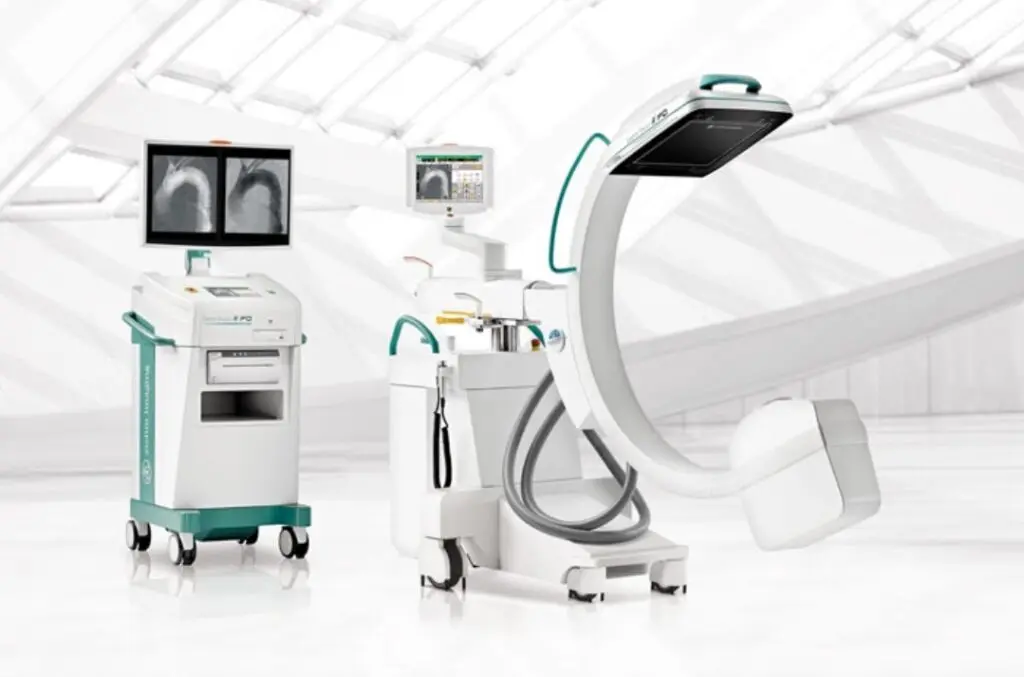
Newark’s surgical facilities serve one of the most healthcare-intensive regions in New Jersey, operating under constant pressure to deliver uninterrupted, high-quality patient care. When a Ziehm C-arm fails unexpectedly, the disruption extends far beyond the equipment room — cancelled cases, compliance exposure, and mounting revenue loss follow immediately. Whether you need urgent Ziehm Vision RFD 3D repair Newark after a sudden system failure or are noticing early performance issues developing over time, getting certified expert help fast is the difference between a minor inconvenience and a serious operational crisis. This guide covers everything Newark-area facilities need to know about Ziehm repair services, common failure points, and building a long-term service strategy that keeps your OR running without interruption.
Why Ziehm C-Arms Require Certified Repair Expertise
Ziehm imaging systems are among the most technically sophisticated fluoroscopy platforms in clinical use today. The Vision RFD series features high-resolution flat-panel detector technology, advanced image processing algorithms, and — in the 3D configuration — a motorized rotational drive system capable of generating real-time intraoperative three-dimensional reconstructions. This engineering sophistication makes these systems invaluable in orthopedic, spine, vascular, and trauma surgical environments across Newark, and makes improper servicing genuinely consequential.
Ziehm Vision RFD 3D repair Newark requires technicians who understand not just general C-arm mechanics but the specific architecture of Ziehm’s generator system, flat-panel detector calibration protocols, and 3D reconstruction software stack. A misdiagnosed fault or incorrectly replaced component can introduce imaging artifacts, inaccurate radiation dose outputs, or failed 3D acquisitions — all of which directly impact surgical outcomes and patient safety.
Common issues requiring professional Ziehm repair include:
- Flat-panel detector degradation, dead pixel clusters, or uniformity failures
- X-ray generator faults including kVp drift and mA output inconsistencies
- 3D rotational drive motor failures or acquisition speed irregularities
- Image reconstruction software errors and calibration drift
- Monitor display failures or unresponsive touch panel interfaces
- Mechanical wear on the C-arm column, positioning locks, and brake assembly
- Cable harness damage from repeated clinical repositioning
- Cooling system failures triggering thermal protection shutdowns
Each of these requires OEM-level diagnostic tooling, genuine Ziehm replacement components, and technicians with deep hands-on Ziehm platform experience.
Ziehm Vision RFD Repair Newark — The Most Common Faults
The standard Vision RFD remains one of the most widely deployed C-arms across Newark’s orthopedic, vascular, and spine surgery centers. Ziehm Vision RFD repair Newark calls most frequently involve flat-panel detector performance degradation, generator calibration drift, and software faults that develop gradually over months of heavy clinical use.
Detector issues typically present as inconsistent image brightness, increased noise patterns, or reduced contrast resolution that surgeons begin noticing during cases. These symptoms are easy to dismiss as acceptable performance variation early on, but they worsen progressively. Left unaddressed, they ultimately require complete detector replacement — a significantly more expensive outcome than early Ziehm Vision RFD repair Newark intervention when symptoms first appear.
Generator faults often manifest as erratic exposure outputs, inconsistent dose readings across repeated acquisitions, or error codes appearing on the system display. Early service response typically means a calibration correction or targeted component adjustment rather than a full generator overhaul.
Ziehm Solo Repair Newark — Small Unit, Same Repair Standards
Many of Newark’s ambulatory surgery centers and specialty clinics operate the Ziehm Solo for its compact footprint and clinical versatility. Its smaller size doesn’t reduce its repair requirements — in fact, the Solo’s frequent repositioning and daily transport between clinical spaces exposes it to more mechanical stress than larger stationary systems.
Ziehm Solo repair Newark calls frequently involve bearing wear, cable connection failures, and locking mechanism degradation that accelerates with the physical demands of a mobile clinical environment. The Solo’s detector and generator components carry the same sensitivity as larger Ziehm models and require identical levels of certified expertise during any repair visit.
Facilities running both Vision RFD units and Solo systems should ensure their service provider is equally qualified for Ziehm Solo repair Newark as they are for larger platform repairs — consistent expertise across your entire fleet eliminates dangerous service coverage gaps.
Choosing the Right Ziehm Repair Newark Provider
Newark’s healthcare market encompasses major academic medical centers, community hospitals, and a growing network of high-volume ASCs serving Essex County and the surrounding New Jersey metro region. When evaluating providers for Ziehm repair Newark, the selection standard you apply matters enormously for your facility’s operational and compliance outcomes.
Look for service partners who offer:
- OEM-trained or factory-certified Ziehm technicians with Vision RFD and Solo platform experience
- On-hand inventory of genuine Ziehm replacement parts and tube assemblies
- Defined emergency response SLAs — same-day or next-business-day on-site commitment
- Full written documentation after every repair including findings, replaced components, and post-repair test results
- Demonstrated experience servicing Vision RFD, Vision RFD 3D, and Solo models across Newark facilities
- Loaner unit availability during extended repair windows to protect your OR schedule
- Transparent, itemized billing with no hidden diagnostic or travel fees
Ask any prospective Ziehm repair Newark vendor how many Ziehm systems they actively service across the Newark region. High regional service volume indicates faster fault recognition, better parts availability, and more accurate repair outcomes — all translating directly to shorter downtime for your facility.
Recognizing Early Warning Signs Before a Full Failure
The most cost-effective repair strategy begins with early detection. Your clinical and biomedical staff should be trained to recognize developing issues before they escalate into complete system failures.
Watch for these warning signs between scheduled service visits:
- Gradual image sharpness or contrast decline not present in previous cases
- Recurring software errors or slower-than-normal system boot sequences
- Error codes or warning messages appearing on the display panel
- Unusual mechanical sounds during C-arm repositioning or brake engagement
- Inconsistent radiation dose readings across repeated exposures
- Flickering, discoloration, or brightness shifts on primary or reference monitors
- Failed or incomplete 3D acquisition sequences on Vision RFD 3D units
Any of these symptoms warrants an immediate call to your certified Ziehm Vision RFD 3D repair Newark provider. Delaying service when warning signs are present almost always results in a more extensive and more expensive repair outcome.
Combining Repair Readiness with Preventive Maintenance
The most operationally resilient facilities in Newark don’t depend on reactive repair alone. They combine emergency repair access with a structured preventive maintenance program that keeps Ziehm systems calibrated, documented, and compliant throughout the year.
A practical integrated service strategy includes:
- Semi-annual PM visits covering full calibration, safety testing, and mechanical inspection
- An on-call repair SLA guaranteeing fast certified response when unplanned failures occur
- CMMS documentation of every service interaction for Joint Commission and New Jersey Department of Health compliance
- Annual component age reviews to plan proactive replacements before failures occur
- Staff training on proper Ziehm handling, storage protocols, and early fault reporting procedures
This combined approach to Ziehm repair Newark and preventive care reduces total cost of ownership, extends equipment lifespan, and keeps your OR running predictably month after month.
Why Newark Facilities Trust Surgi Call
Newark surgical facilities need a service partner who combines deep Ziehm technical expertise with the local responsiveness and compliance accountability the region’s healthcare environment demands. Surgi Call supports surgical facilities across Newark with certified Ziehm repair coordination, preventive maintenance planning, and rapid-response service covering Vision RFD, Vision RFD 3D, and Solo models throughout Essex County and the broader New Jersey metro region.
Whether you’re facing an urgent Ziehm Vision RFD 3D repair Newark situation or building a comprehensive long-term service agreement for your full Ziehm fleet, Surgi Call delivers the expertise and reliability Newark facilities depend on to stay compliant and OR-ready every single day.
Act Before the Next Failure Disrupts Your OR
Ziehm C-arms perform best when they receive consistent, expert care from technicians who know these platforms inside and out. From Ziehm Vision RFD repair Newark to Ziehm Solo repair Newark, every system in your fleet deserves certified attention and fully documented service history.
Don’t wait for a mid-case failure to find your repair partner. Connect with a trusted Ziehm repair Newark specialist today and build the service strategy your facility — and your patients — can depend on.